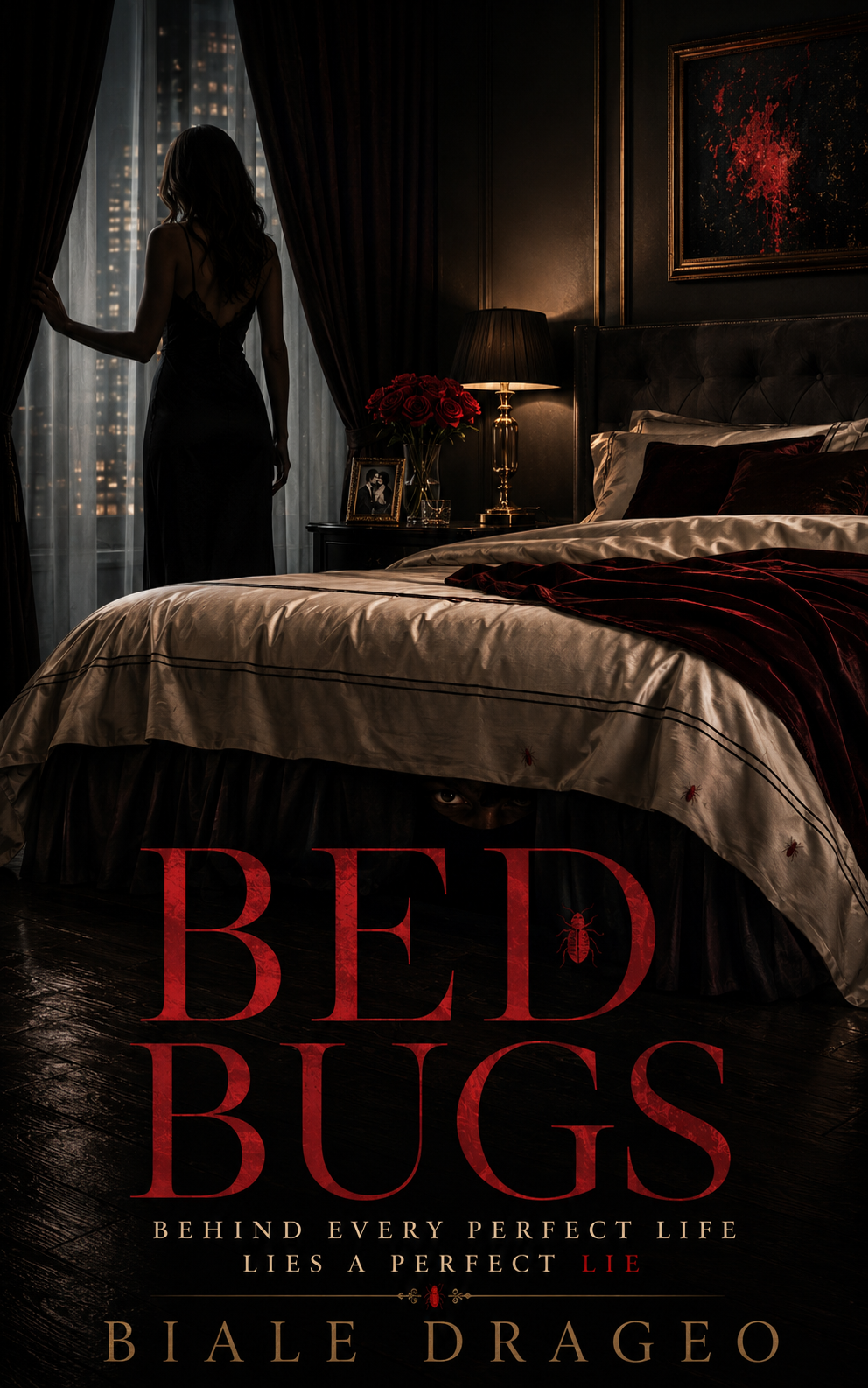
Toxic marriage thrillers
Toxic marriage thrillers move slowly because real marriages do. The reader watches two people stop telling each other the truth one quiet evening at a time. The pleasure is awful and specific: noticing the moment a partner stops being a partner and starts being a problem the other person has to manage. The best examples make you ask whether you would have left earlier, then make you doubt the answer.
Unreliable narrator thrillers
An unreliable narrator is not a trick. It is a relationship. The reader agrees to listen to someone who has a reason to lie, forget, or soften the story they are telling. The best unreliable narrators are not villains. They are people who have decided, for protective reasons, not to look directly at what is happening. The plot is the moment they finally have to.
Obsession and betrayal thrillers
These books treat obsession as a kind of weather. It moves into the house and changes the temperature of every room. Betrayal here is rarely a single dramatic act. It is a long pattern of small choices the betrayer has already justified, dressed up as love or loyalty or simple bad luck. The reader sees it long before the protagonist allows themselves to.
Slow-burn domestic suspense
Slow-burn domestic suspense is patient on purpose. It trusts that a kitchen, a hallway, a guest room, and a marriage are already loaded with meaning. Nothing has to explode. A misplaced object, a friend who lingers a beat too long, a husband who answers slightly wrong. The genre rewards readers who like to feel the floor tilt before they understand why.
Dark psychological thrillers with erotic tension
Erotic tension in a dark psychological thriller is never decorative. It is evidence. It tells you who has power, who is performing safety, and who is using desire as a way to negotiate something less honest. These books are adult in the real sense: they take desire seriously enough to let it cost the characters something.